
5 Tips to Manage High Blood Pressure
Keep Your Heart Healthy by Making These Lifestyle Changes When left untreated, high blood pressure can damage your circulatory system, which has been found to increase the risk of heart attacks and strokes. If you or a loved one are living with high blood pressure, you can take control of this illness by making lifestyle changes to improve your overall heart health and reduce your risk of experiencing a…
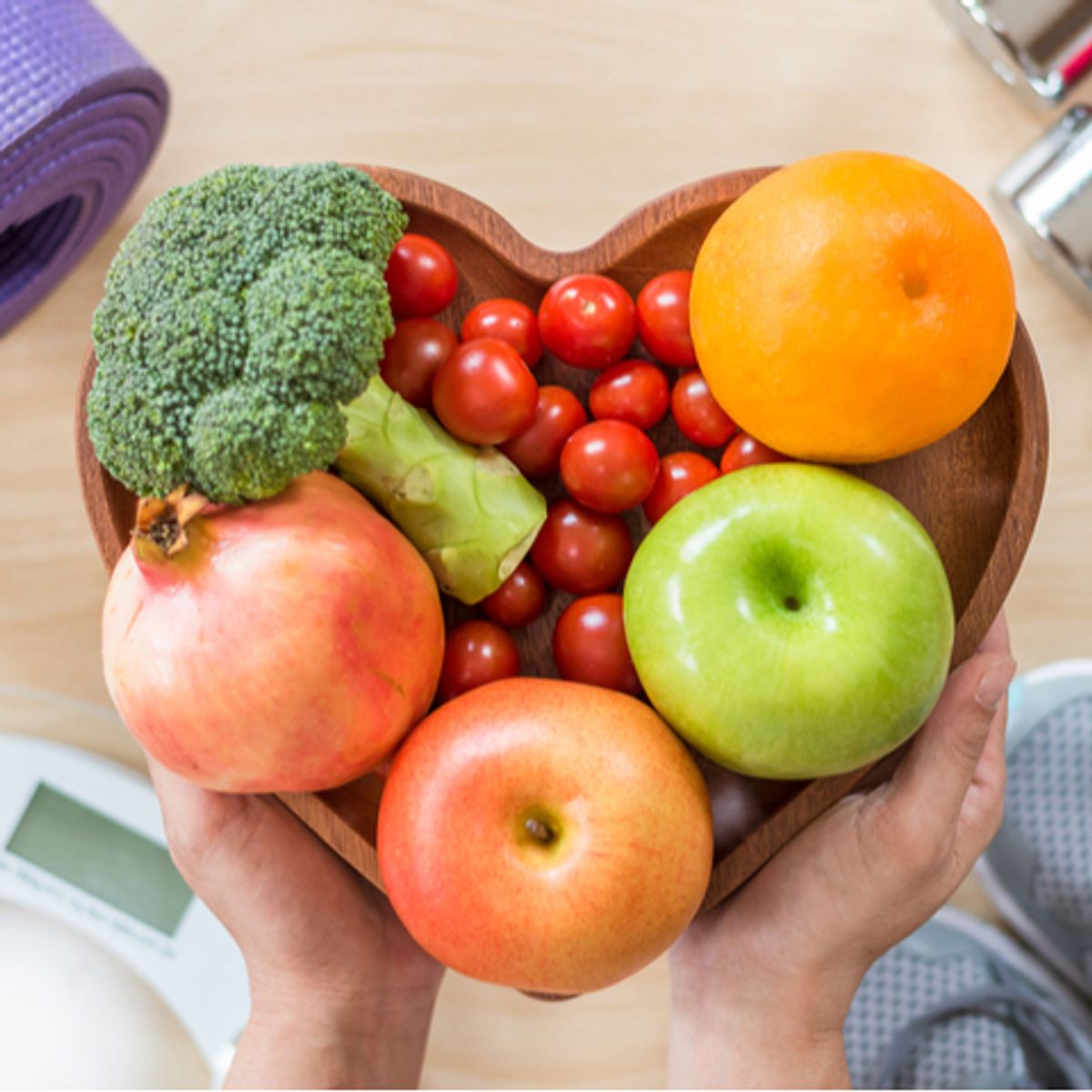
When left untreated, high blood pressure can damage your circulatory system, which has been found to increase the risk of heart attacks and strokes. If you or a loved one are living with high blood pressure, you can take control of this illness by making lifestyle changes to improve your overall heart health and reduce your risk of experiencing a cardiovascular emergency. We’ve compiled 5 tips to help you keep your blood pressure down and your heart healthy.
1. Maintain a Healthy Body Weight
If you are overweight, losing as little as 5 to 10 pounds can have an impact on lowering your blood pressure. Obesity is unhealthy because excess weight puts more strain on your heart and can raise blood pressure, cholesterol, and can even lead to diabetes. Unfortunately, there is no magic weight-loss formula for everyone, so you will need to identify and establish a plan that works for you and your body and stick to it.
You should never feel bad for getting additional help to achieve your goals. Schedule an appointment with a nutritionist or registered dietitian. As you work toward maintaining a healthy weight, always remember to give yourself grace. You are not a failure if you get off track occasionally. Instead of seeing it as a letdown, commit to getting yourself back on track as soon as possible.
2. Follow the DASH Diet
The DASH (Dietary Approaches to Stop Hypertension) diet is specifically designed to manage blood pressure by reducing the amount of salt in your diet and increasing the intake of foods that are low in fat and cholesterol. Eating a lot of salt causes your blood vessels to pull in an increased amount of water, which increases the total amount of blood inside your blood vessels. As a result, your blood pressure increases, putting an extra burden on your heart. The American Heart Association recommends no more than 2,300 milligrams (mgs) a day, with an ideal limit of no more than 1,500 mg per day for most adults, especially for those with high blood pressure.
The DASH eating plan is based on 2,000 calories a day, but the number of daily servings in a food group may vary from person to person, depending upon your caloric needs. Ask your doctor if you have any questions about your diet. Identifying new, DASH-diet aligned recipes is a great way to stay motivated to stick to the DASH diet.
There are also several alternatives to salt that will allow you to flavor your food without raising your blood pressure.
Seasoning Alternatives to Salt from the American Heart Association:
- Allspice: Lean meats, stews, tomatoes, peaches, applesauce, cranberry sauce, gravies, lean meat
- Almond extract: Puddings, fruits
- Basil: Fish, lamb, lean ground meats, stews, salads, soups, sauces
- Bay leaves: Lean meats, stews, poultry, soups, tomatoes
- Chives: Salads, sauces, soups, lean meat dishes, vegetables
- Cinnamon: Fruits (especially apples), breads
- Curry powder: Lean meats (especially lamb), veal, chicken, fish, tomatoes,
- Dill: Fish sauces, soups, tomatoes, cabbages, carrots, cauliflower, green beans, cucumbers, potatoes, salads, macaroni, meat
- Garlic (not garlic salt): Lean meats, fish, soups, salads, vegetables
- Ginger: Chicken, fruits
- Lemon juice: Lean meats, fish, poultry, salads, vegetables
- Nutmeg: Fruits, potatoes, chicken, fish, lean meat loaf, toast, pudding
- Onion powder (not onion salt): Lean meats, stews, vegetables, salads
- Paprika: Lean meats, fish, soups, salads, sauces, vegetables
- Parsley: Lean meats, fish, soups, salads, sauces, vegetables
- Rosemary: Lean meat, sauces, stuffings, potatoes, peas, lima beans
- Sage: Lean meats, stews, biscuits, tomatoes, green beans, fish
- Thyme: Lean meats, sauces, soups, onions, peas, tomatoes, salads
- Turmeric: Lean meats, fish, sauces, rice
3. Establish an Exercise Routine
The American Heart Association recommends that adults get at least 150 minutes of moderate-intensity physical activity each week. Regular, moderate-intensity aerobic physical activity can lower your risk of several lifechanging heart health problems including heart attacks, strokes, and more.
If you need help staying in a fitness routine, consider getting the help of a personal trainer. Having someone to motivate you to stay active can be very helpful. Taking group classes or exercising with a friend or family member can also help you maintain a routine.
Exercises you can add into your routine:
- Walking, swimming, cycling and dancing: Cardio exercises increase your heart rate, help you maintain a healthy weight, and decrease your risk of heart disease and Type 2 diabetes.
- Yoga or stretching class: Helps you stay flexible, decreases your risk of injuries, boosts blood flow to your muscles, and eases tension. It is also a good way to relax.
- Weightlifting, resistance bands and body-weight exercise: Keeps your bones strong (proven to prevent bone-thinning), prevents muscle loss, improves blood-sugar control, balance, sleep, and mental health.
4. Eat Potassium-Rich Foods
Potassium lessens the effect of sodium, making potassium-rich foods a great way to manage blood pressure. While you can ask your doctor if potassium supplements are right for you, you can also add potassium into your diet by working the foods listed below into your diet. Changing your diet is the usual method of increasing your daily potassium intake. Always talk to your doctor before making any extreme changes to your diet or adding in a daily supplement to make sure this change is right for you.
Potassium-rich foods include:
- Apricots and apricot juice
- Avocados
- Bananas – Roughly 420 mg in one medium banana
- Cantaloupe and honeydew melon
- Fat-free or low-fat (1 percent) milk
- Fat-free yogurt
- Grapefruit and grapefruit juice (talk to your healthcare provider first if you’re taking a cholesterol-lowering drug)
- Greens
- Halibut
- Lima beans
- Molasses
- Mushrooms
- Oranges and orange juice
- Peas
- Potatoes
- Prunes and prune juice
- Raisins and dates
- Spinach
- Sweet potatoes – ½ cup has 475 mg
- Tomatoes, tomato juice and tomato sauce
- Tuna
5 . Stop Smoking
Smoking and exposure to secondhand smoke both increase the risk for the buildup of fatty substances (plaque) inside your arteries – a process which high blood pressure is known to accelerate. Every time you smoke, you cause your blood pressure to temporarily increase. The American Heart Association has several valuable resources that can help guide you through the process of quitting.
You can also call the ASHLine (1-800-55-66-222), which is available 24 hours a day, 7 days a week. The ASHLine (1-800-55-66-222) is free and allows you to talk to a coach who can help you quit smoking with a plan that is right for you. You can also ask your doctor for recommendations.
Getting Started
If you are concerned about your current habits having a negative impact on your blood pressure, we encourage you to schedule an appointment with your primary care provider to discuss how you can start applying some of these tips to your own life. It’s never too late to start working towards a healthier you.
Need Help Scheduling an Appointment?
Our care coordination team is here to help you 24/7. Call 602.406.7226, text 602.613.5797, or email members@azcarenetwork.org for assistance. Our team is more than happy to help you.