
ACN Advance - October 2022
Medicaid Member Redetermination Process is Coming
Providing Authorized Remote EMR Access Benefits Your Practice
Included Health Can Expand Your LGBTQ+ Patient Population
Depression Screening Resources to Support Quality Gap Closures
Eye Exams Needed for Patients Living with Diabetes
News Roundup
Welcome, New Provider Organizations
Arizona Care Network’s physician-led Board of Managers is accepting nominations through Nov. 1, 2022, to fill anticipated vacancies on the Board for three-year terms beginning in 2023. Board meetings are conducted at ACN’s office in Phoenix unless a virtual meeting is deemed more appropriate. Meetings are held at 6 p.m. on the first Thursday of alternating months (February, April, June, August, October, and December). A stipend for participation is available. Additional information on Board member roles and responsibilities is available here. If you or a participating physician would like to be considered by the Nominating Committee, please download and submit a nomination form via email governance@azcarenetwork.org by Nov. 1, 2022.

At the beginning of the COVID pandemic in 2020, the federal government declared a public health emergency (PHE). For the duration of the PHE, all states are required to continue health care coverage for all Medicaid members, even if a member’s eligibility changes. Sunset of the PHE is expected in early 2023, and the Department of Health and Human Services (HHS) has indicated there will be a 60-day notification period before sunsetting the PHE. When the PHE concludes, The Arizona Health Care Cost Containment System (AHCCCS) will mail renewal and redetermination letters to all potentially eligible Medicaid members in Arizona to confirm eligibility. CMS allows all states up to 12 months after the PHE ends to initiate member redeterminations. Each letter is unique to the member depending on circumstances. View a sample letter AHCCCS will be mailing requesting Medicaid members’ eligibility information. How Members Can Prepare
- Each member may confirm their mailing address, phone number, and email address is correct by logging into healthearizonaplus.gov
- A member may also call Health-e-Arizona Plus at 1-855-HEA-PLUS (1-855-432-7587), Monday through Friday from 7 a.m.-6 p.m.
- Watch their mailbox for a letter from AHCCCS about renewal of coverage and respond to any information requests to ensure accurate eligibility determination.
Redetermination Resources
- AHCCCS website includes information, links, and an FAQ for members and providers regarding the redetermination process.
- AHCCCS Available Health Plans website
- Community assistor organizations can also help members navigate the Medicaid renewal process.
- Get Ready to Review (.PDF): English or Spanish
If your practice no longer participates as a Medicaid provider or are no longer employed with an organization, please email APEPTrainingQuestions@azahcccs.gov to report the change.
To further ease your practice’s staffing and administrative burdens, Arizona Care Network can support your patient care through secure, remote EMR access that allows a specific ACN Quality Team member to identify possible Hierarchical Conditioning Category (HCC) coding opportunities for Medicare members, and potentially identify/close quality gaps. Quality Gaps Remote EMR access also allows for faster, more efficient data abstraction. This reduces the admin workload of your practice in responding to medical record request faxes from ACN and abstracting the medical records. In addition, ACN can turn around payor requests during short quality reconciliation time frames. ACN can review more medical records with remote EMR access and overall, have a higher chance in achieving quality targets for shared savings for the provider network. The additional benefit of remote EMR access is ACN can expand the HCC Reconciliation program and assist you in identifying ACN members and their quality gaps. A Quality team member will review your daily appointment schedule and send you an ACN member’s quality gaps before their appointment. Please contact your Clinical Performance Consultant or email practicetransformation@azcarenetwork.org if your practice wishes to participate. In addition, Quality measure tip sheets are available for you to print, or from your Clinical Performance Consultant:
- Blood pressure
- Breast cancer screening
- Cervical cancer screening
- Chlamydia screening
- Colorectal cancer screening
- Depression screening and follow-up
- Diabetes (A1C, Eye Exam, Nephropathy)
- Immunizations
- Medication adherence
- Opioid usage
- Osteoporosis
- Social Determinants of Health (SDOH)
- Tobacco screening
These 1-page tip sheets (.PDF) include best practices, documentation requirements, and codes for your practice to help close quality gaps. Contact your Clinical Performance Consultant or email practicetransformation@azcarenetwork.org to receive any or all tip sheets.
If your practice’s attribution includes (or wishes to include) LGBTQ+ members, joining the Included Health provider directory can support LGBTQ+ patient care while potentially expanding your attributed population. For example, Included Health partners with Intel (which participates with Arizona Care Network) as part of Intel’s Arizona employee health plans. Submitting your practice information to Included Health designates your practice as LGBTQ+ -friendly for inclusion in Included Health’s provider directory at no cost. Additionally, ACN members who are LGBTQ+ may contact our Concierge team at (602) 406-7226 or email members@azcarenetwork.org for additional support and any individual needs. Resources Join the Included Health Provider Directory Creating an LGBTQ+ Friendly Practice Providing Inclusive Services and Care for LGBTQ+ Patients
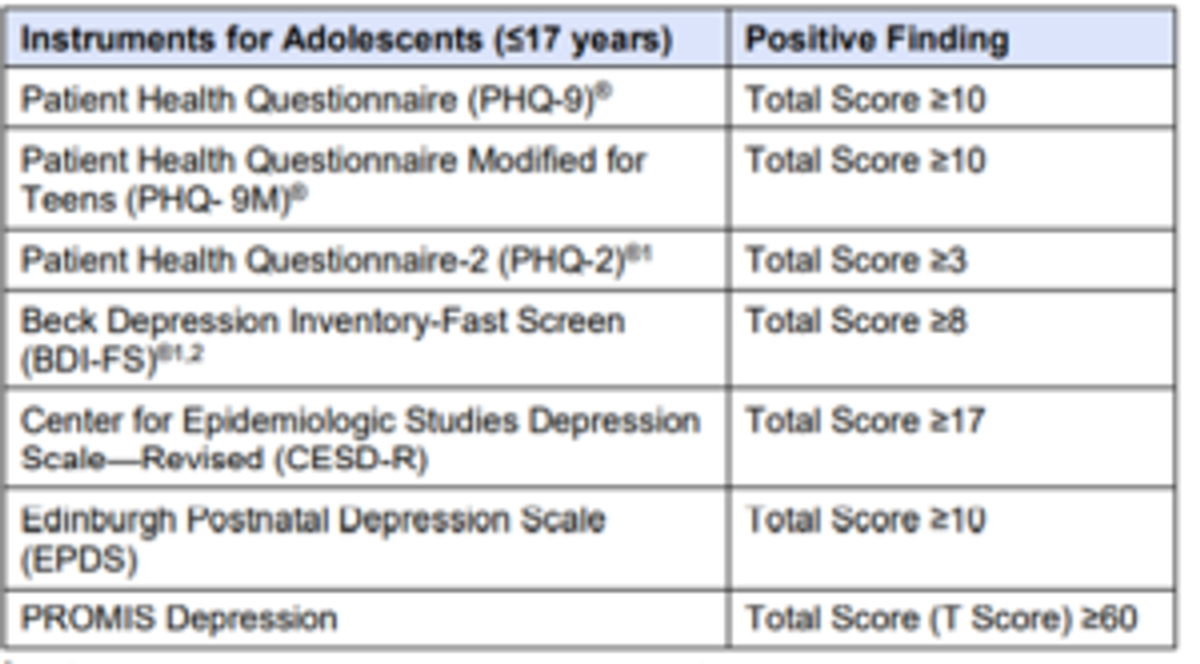
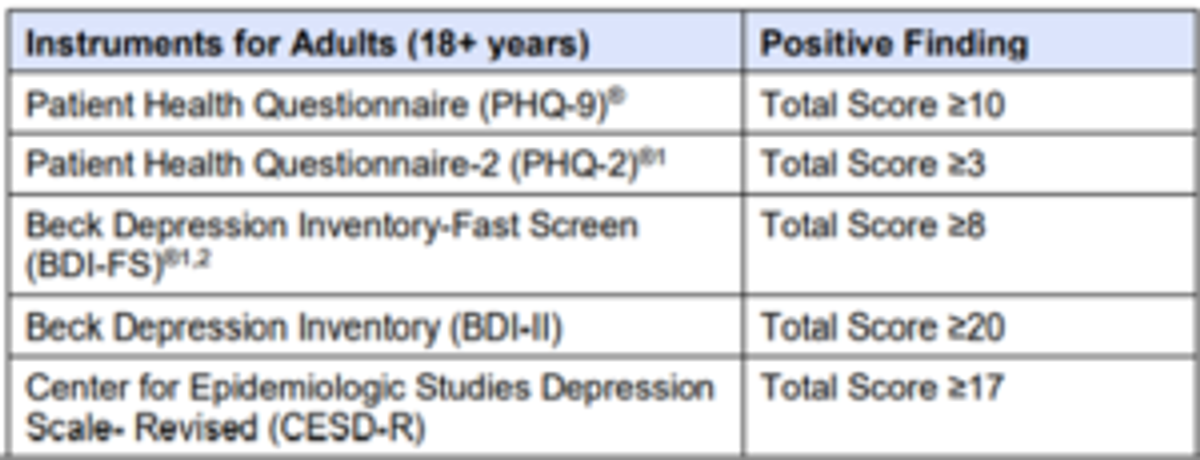
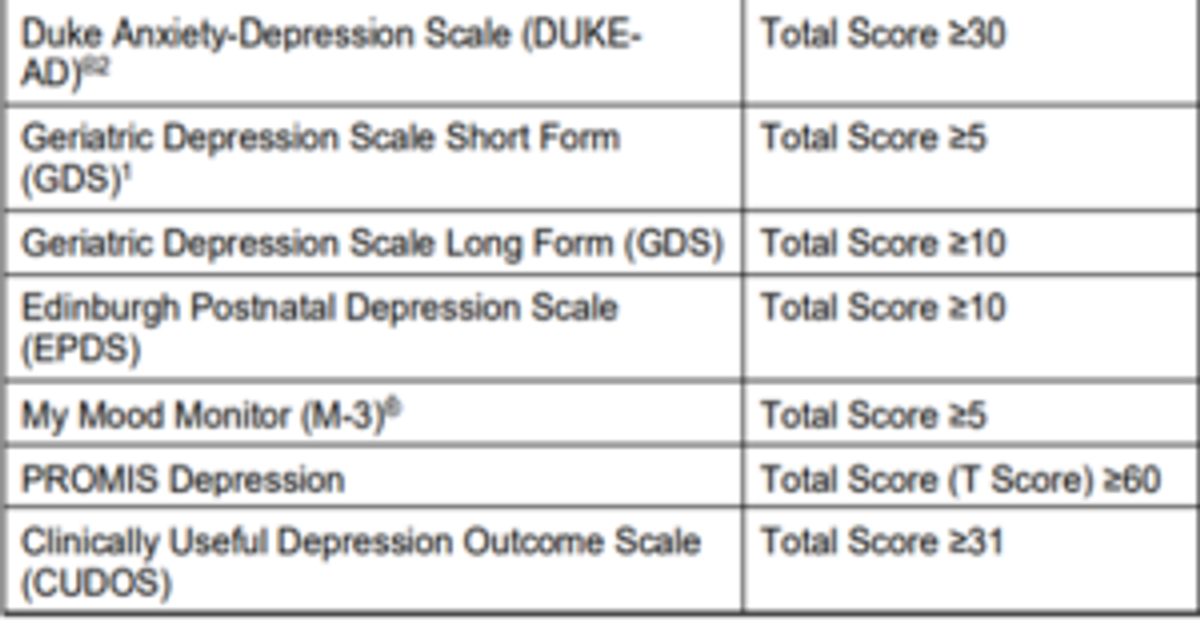
Patients 12 years of age and older should be regularly screened for depression utilizing an age-appropriate standardized depression screening tool. If the screening, in conjunction with the provider's evaluation, indicates depression or other related behavioral health tendencies, a documented follow-up plan for up to 30 days following the date of the first positive screen is strongly recommended. Both the screening and follow-up plans may be complete via telehealth. View/download ACN’s Depression Screening Tip Sheet (.PDF) View/download Additional Quality Measure Tip Sheets (.PDF) Exclusion
- Active diagnosis for depression or bipolar disorder
Exceptions
- Patient refuses to participate
- Patient is in an urgent or emergent situation where time is of the essence and delaying treatment would jeopardize the patient’s health status, or
- Situations where the patient’s cognitive capacity, functional capacity, or motivation to improve may impact the accuracy of the results
Depression Screening Instruments
Documentation Requirements
- Provider interpretation of “positive” or “negative” must be documented on the date of the encounter. A score by itself is not accepted.
- The name of the age-appropriate standardized depression screening tool must be documented
- If positive, follow-up plan must be documented, and include at least one of the following:
- additional evaluation or assessment for depression,
- suicide risk assessment,
- referral to a practitioner who is qualified to diagnose and treat depression,
- pharmacological intervention, or
- other interventions or follow-up for depression diagnosis or treatment.
Follow-up Any of the following within 30 days following the first positive screening count toward gap closure:
- Outpatient, telephone, e-visit or virtual check-in follow-up visit with a diagnosis of depression or other behavioral health condition.
- Depression case management encounter that documents assessment for symptoms of depression or a diagnosis of depression or other behavioral health condition.
- Behavioral health encounter, including assessment, therapy, collaborative care, or medication management.
- Dispensed antidepressant medication. OR
- Documentation of additional depression screening on a full-length instrument indicating either no depression or no symptoms that require follow-up (i.e., a negative screening) on the same day as a positive screening.
Documentation Insufficiencies
- Failing to include a clinician interpretation such as “positive” or “negative” and only a score.
- Utilizing PHQ-9 forms that do not include patient first and last name, date of birth, encounter date, or do not document the name of the screening tool.
Documentation Codes
- G8431 - Depression screening positive with follow-up plan
- G8510 - Depression screening negative follow-up not required
- G0444 - Annual depression screening, 15 minutes (satisfies gap closure for depression screening only, but not Follow-up)
An annual diabetic eye exam can be crucial for patients living with Type 1 or Type 2 diabetes, and your practice’s diabetic patient list can help refer eligible patients to an eye care professional (ophthalmologist or optometrist). Doing so may also close quality care gaps related to 2022 HEDIS quality measure specifications, where the patient population is ages 18-75 years old with a diagnosis of diabetes (Type 1 or Type 2) during the measurement year (i.e., 2022), or the year prior (i.e. 2021). Compliance for screening or monitoring for diabetic retinal disease includes the following:
- A retinal or dilated eye exam by an eye care professional (optometrist or ophthalmologist) in the measurement year.
- A negative retinal or dilated eye exam (negative for retinopathy) by an eye care professional in the year prior to the measurement year.
An exclusion for needing a diabetic eye exam is the following:
- Bilateral eye enucleation any time during the members history through Dec. 31 of the measurement year
Download Arizona Care Network’s diabetes eye exam tip sheet (.PDF) Another effective strategy is for providers to have a reminder (“tickler”) in your EMR system that alerts your practice when a patient should be scheduled for an eye exam. The “tickler” is successful for several ACN participating practices, often at no additional cost. Your IT personnel may be able to assist with setting up reminder features. Diabetic Eye Exam Coding When reporting diabetic eye exams, please use CPT and CPT II codes.
- CPT codes identify the service supplied to health insurance companies.
- CPT II codes are used for performance and data collection related to quality and performance measurements.
Using the necessary codes provides accurate billing and helps close quality gaps through payer claims. CPT Codes
- 92004 - Ophthalmological services: medical examination and evaluation with initiation of diagnostic and treatment program; comprehensive, new patient, one or more visits.
- 92014 - Ophthalmological services: medical examination and evaluation, with initiation or continuation of diagnostic and treatment program; comprehensive, established patient, one or more visits.
- 172132001 - Enucleation of eyeball (procedure)
- 205336009 - Enucleation of eye without implant (procedure)
CPT II Codes
- 3072F - Low risk for retinopathy
- 2022F - Dilated retinal eye exam with interpretation by an ophthalmologist or optometrist documented and reviewed
- 2023F - Dilated retinal eye exam with interpretation by an ophthalmologist or optometrist
For additional support, your practice may fax supporting documentation to ACN at (602) 604-4753.
Network News Roundup
- Follow us on Facebook, Twitter, and LinkedIn for additional news, health-related content for providers and patients, organizational updates, and more.
- Learn more about ACN’s Care Coordination program and services designed to partner and support your practice in achieving healthy, cost-effective patient outcomes in this video.
- ACN’s improved Specialist Performance Reports and Medical Neighborhood Maps are available to your practice anytime. Additionally, Physical Therapy and Radiology listings quick reference guides are also available. Contact your Clinical Performance Consultant or email practicetransformation@azcarenetwork.org to receive any of these reports and/or maps, all of which are updated quarterly.
- Phoenix Children’s Care Network (PCCN) is hosting a virtual Pediatric Population Health Symposium Oct. 5 from 6-8 p.m. Topics include SDOH, reducing ER usage, and managing the DCS population. CME credits are available. Registration is free and available here.
- The Provider Headache Educations Symposium is Oct. 15 from 7:55 a.m.-4 p.m. at the Barrow Neurological Institute Goldman Auditorium in Phoenix. It is open to all neurologists, PCPs, sub-specialists, and APPs. The cost is $75 and includes the symposium, course materials, and available CME credits. More information and registration is available here.
- Dignity Health is hosting a Breast Cancer: Diagnosis, Treatment, and Survivorship symposium Oct. 28 from 1-5 p.m. at the Hilton hotel in Chandler. It is open to all types of providers, NPs, and MAs. The event includes a happy hour and CME credit is available. More information and registration is available here.
- The 2022 Advanced Lung Disease and Lung Transplant Symposium is coming Dec. 2-4 at the JW Marriott Camelback Inn in Scottsdale. Sponsored by Norton Thoracic Institute and St. Joseph’s Hospital and Medical Center, the 3-day event features an array of local and nationally renowned medical experts and speakers. CME credits are available, and hotel rooms may also be purchased. A complete daily schedule and registration information is available here.
- Any practices interested in connecting with, and training in, Arizona’s Health Information Exchange (HIE) may schedule a 30-minute no-cost consultation here, courtesy of Contexture.
- If your practice has patients currently living with Type 2 diabetes, Dignity Health is currently recruiting individuals to participate in a 6-month research study to evaluate the impact of standard diabetic care and food-focused interventions on patients. Depending on study group assignment, participants will either receive a weekly discount on food, or free access to Season Health's online nutrition platform. More information is available here. A patient wishing to participate may call the Center for Diabetes Management at (480) 728-3535 and reference the “Season Health Diabetes Research study.”
- Abrazo’s Arrowhead Campus in Glendale unveiled its new Cardiac and Electrophysiology Suite. The suite accommodates minimally invasive procedures such as balloon angioplasty, stents, heart rhythm device placement, a cardiac catheterization lab, and more.
- Sarah Counts, DO, is Dignity Health’s new Norton Thoracic Institute Dr. Counts joins Dr. Michael Smith as full-time surgeons working at NTI’s East Valley location inside Chandler Regional Medical Center. NTI also has Central and West Valley locations.
- Construction is underway on a new Cardiovascular Operating Room at Abrazo West Campus. The new CVOR will add upgraded equipment and technology to the hospital’s heart surgery program. Coronary artery bypass graft surgery, aortic valve, and mitral valve replacement are expected to be performed in the new operating room. Completion of the CVOR is expected in early 2023.
- A new Cardiac Catheterization Lab opened in September at Abrazo’s Scottsdale Campus. The lab is available 24/7 and uses the latest technology for procedures such as balloon angioplasty, stents, rhythm device placement, and more.
Welcome, New Provider Organizations!
- Estrella Health and Rehabilitation Center (Avondale)
- Urologic Surgery Center of Arizona (Phoenix, Scottsdale)
You can also view a list of provider organizations no longer participating with ACN in 2022.